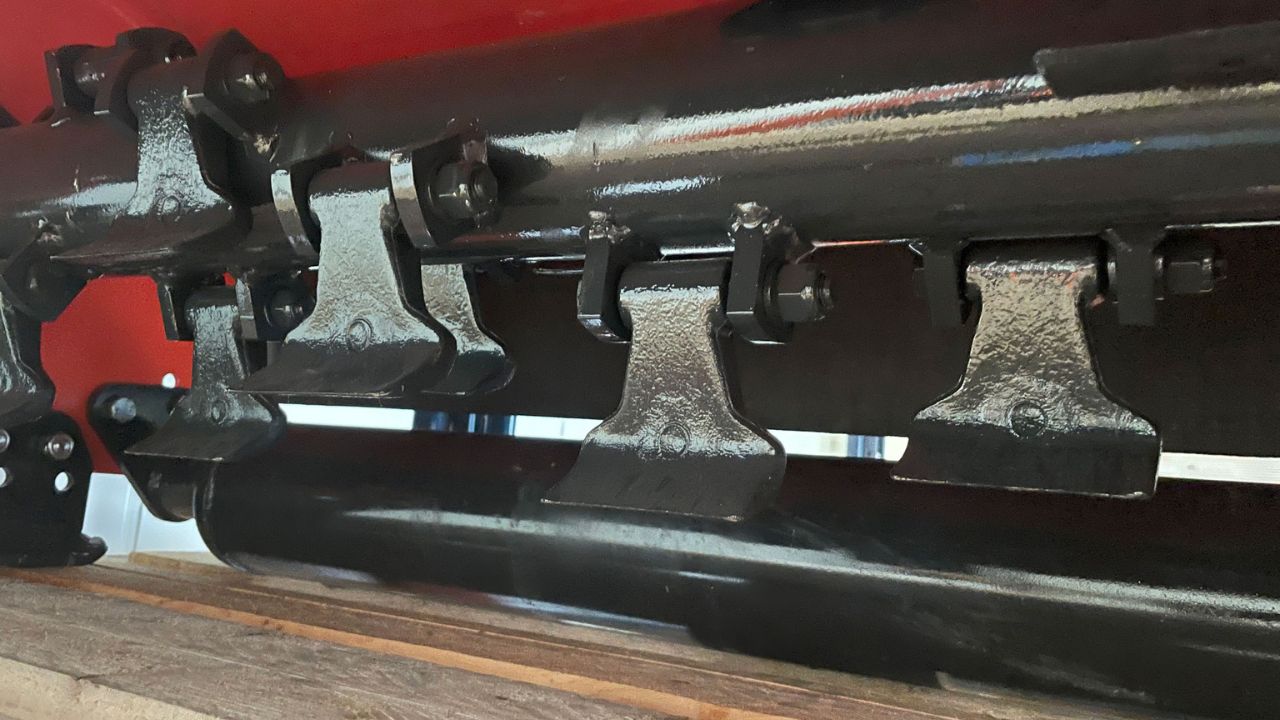
Trimming grass and removing light weeds is not necessarily enough for heavy cutting work. Thick brush, tangles, woody plants, and rough terrain are common problems for operators in many areas where standard mower blades struggle to perform. It’s here that flail mower hammer blades come into play. Their shape, weight, and strength allow them to process dense material while handling repeated impact during operation. Hammer blades are built to endure high forces and last longer than light-cutting blades. They swing freely, striking vegetation with force to break it into smaller pieces. This design makes them extremely useful in the forestry, roadway maintenance, land clearing, and agricultural industries for applications where normal mowing equipment cannot keep up.
Designed for Thick Vegetation
The primary use of flail mower hammer blades is on areas where the grass, weeds, and overgrown brush are dense. They are also heavier, and thus penetrate vegetation that may be bent or skipped over by thinner blades. This enables operators to clear neglected land more effectively without slowing the machine. The additional weight of the blade also enhances the cutting force. The blade uses impact energy and sharp edges to break tough plant material. This allows it to be used in situations where the cutting load is high and there is a combination of soft vegetation and stronger, woody vegetation.
Useful in Brush Clearing
Hammer blades are used for brush clearing. Mulch-heavy areas often have small trees, thorny bushes, and heavy undergrowth that can damage lighter cuts. The blades are hammer blades designed to strike and shred this material while remaining stable during operation. The blades are attached to the rotor so they can absorb some of the impact if it happens suddenly, better than fixed cutting tools can. This minimizes blade damage when operating in rough fields or where everything is not in plain sight.
Land Clearing Applications
Equipment is needed for clearing land that can accommodate mixed vegetation over large areas. Hammer blades are used extensively for field abandonment, construction sites, and utility corridor maintenance. They aid in mowing grass, vines, and small trees in one cut. This type of work places steady stress on cutting components. Strong materials and proper heat treatment are important because the blades must remain functional without cracking or bending under repeated loads.
Forestry and Woodland Use
Forestry environments contain tougher material than open fields. Operators often encounter branches, roots, and woody debris spread across uneven terrain. Hammer blades break down vegetation into smaller, manageable pieces and withstand impacts, making them suitable for woodland maintenance. Blade durability is crucial, as damaged blades increase downtime and repair costs.
Working on Rough Ground
Rough terrain creates additional pressure on mowing equipment. may hit hidden rocks, irregular soil, and debris during operation. The design of the hammer blade allows it to better withstand these impacts than lighter cutting tools. The swinging movement also helps protect the mower rotor from excessive stress. Instead of transferring every impact directly into the machine, the blade absorbs part of the force during contact with hard material.
Difference from Standard Blades
The blades of the standard mower are typically designed for lighter and cleaner cutting. They are effective on maintained grass but will be less effective in dense vegetation. The difference between hammer blades lies in their focus on impact resistance and strength. The thicker, heavier profile and weight mean that they can cut even tougher material without wearing as fast. This is why they are often selected for more challenging tasks, rather than regular lawn maintenance.
Importance of Blade Material
The material used for the hammer blades affects their performance in the field. When in contact with brush, gravel, or hard ground, soft metal wears out rapidly. The impact and abrasion resistance of the alloy steel is better. Also, heat treatment helps to increase blade durability by ensuring its strength under pressure. JYF Machinery produces hammer blades with materials that can be repeatedly used for heavy cutting to help minimize wear with long operating times.
Conclusion
The use of flail mower hammer blades is very important for heavy-cutting jobs where regular mower blades cannot be used effectively. They are employed for brush removal, roadside mowing, forestry operations, and other challenging land use projects. They are heavy and have an impact-driven design that will operate effectively in difficult environments and process dense materials efficiently. The quality of the blade determines the quality of the cutting process and also the equipment’s lifespan. The use of strong materials, appropriate heat treatment, and forged construction all help improve durability during long hours of operation. To address the challenges posed by this terrain and vegetation, manufacturers such as JYF Machinery continue to produce hammer blades for these demanding applications, helping operators manage difficult vegetation and rough terrain more effectively.